

Which 18K Gold Plated Rope Chain Suits You Best?
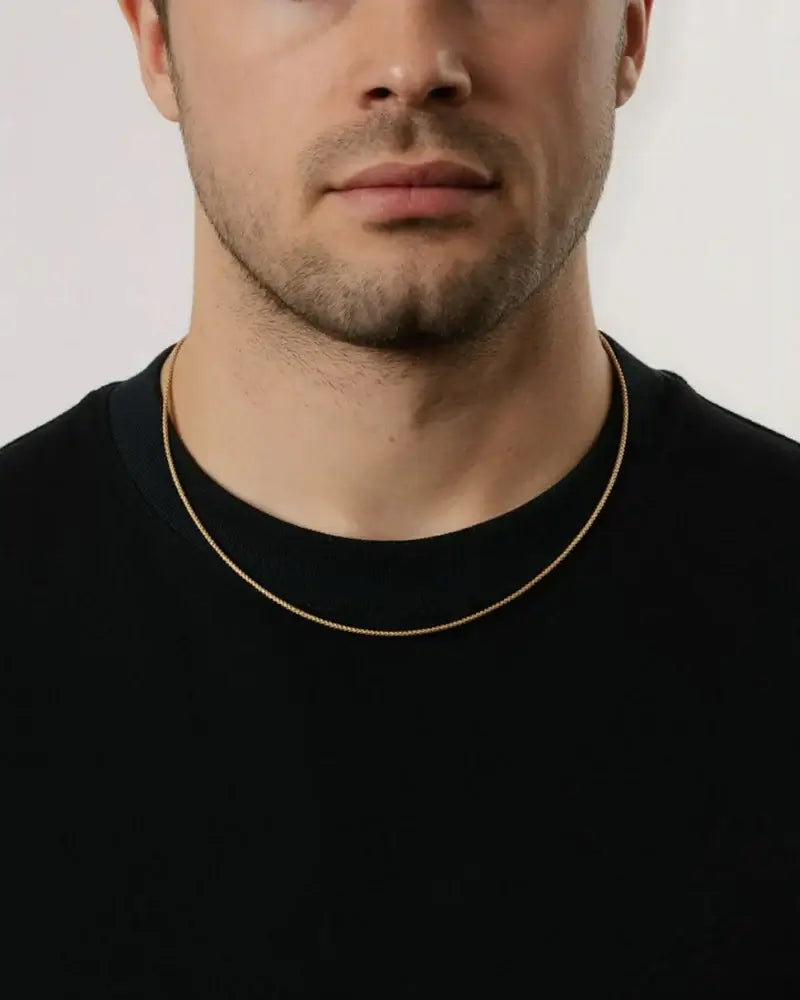
Between the finest and the widest gold plated rope chain there is 2.3 millimeters. That sounds like nothing, but it is the difference between a chain you wear under a shirt and stop thinking about, and a chain that is the first thing anyone sees.
The 18K gold plated rope chain comes in three widths: 1.5 mm, 2.8 mm and 3.8 mm, each in 50 cm (20in), 55 cm (22in) and 60 cm (24in). This guide is about which of those nine combinations is yours, and about what sits underneath that gold.

1. The three widths, and what each is for
1.5 mm is the finest plated chain in the range. This is a pendant chain and a layering chain, not a standalone statement. It fits through almost any pendant bail, including small ones, and sits quietly under a wider chain. Hang something heavy on it and 1.5 mm is too fine: it pulls the line out of shape and loads the clasp.
2.8 mm is the middle size and the logical choice if you want the chain itself to be seen without it taking over the outfit. This is also the width that still sits comfortably under a shirt.
3.8 mm is the heaviest of the plated line. At this width you really feel the weight of the precious metal, which a plated chain on a hollow or base-metal core never manages.
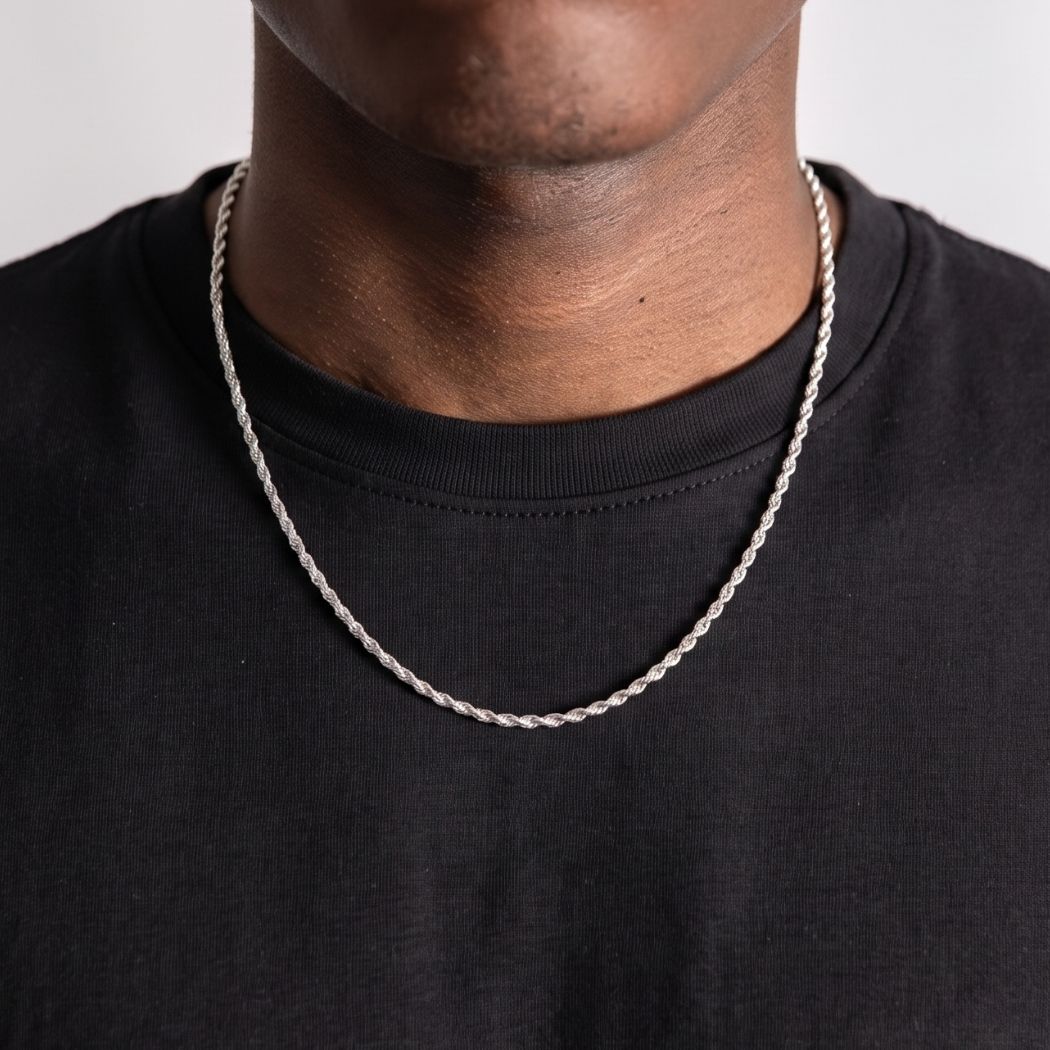
We do not carry other widths in this line. If you want the same link in silver, there is the 3 mm rope chain in 925 sterling silver.

2. What 2.5 microns means
Micron is the thickness of the gold layer, and it is the only number that lets you compare plated chains honestly.
What the jewelry trade simply calls gold plated often starts around 0.5 micron. This layer is five times as thick. It is not a promise about a number of years, because how long a layer lasts depends on how you wear it. What it does mean is that there is more gold on it than on a standard plating.
On a rope link most of the friction lands on the raised edges of the spiral, because those rub along clothing and collars. That is where you notice the difference first. Take the chain off before the shower, swimming and sport, apply fragrance and deodorant before you put it on, and store it dry.
3. Why the core underneath decides everything
This is where plated chains really diverge, and it is rarely on the packaging.
Under this plating sits solid 925 sterling silver. If the gold layer wears at all, silver appears: no base metal, and no green tarnish on your skin. On a plated chain over brass or copper that eventually becomes a visible color difference.
There is a second consequence. A jeweler can have this chain replated, and that only pays off on a precious metal base. On a base-metal core, replating is money wasted, because you are laying gold over something that is worth nothing itself.
The narrower the chain, the more this weighs: there is less surface to hide wear on. On the 1.5 mm the core therefore decides almost everything, on the 3.8 mm it counts as weight. All 18K gold plated jewelry in the shop works the same way.
4. 50, 55 or 60 cm (20, 22 or 24in)
Length works differently per width, and that is exactly what most guides skip.
At 1.5 mm the length decides whether the chain is seen at all. At 50 cm (20in) it largely disappears behind a collar and you keep a fine line that only reads close up. At 55 cm (22in) it falls on the top of the breastbone, at 60 cm (24in) it hangs mid chest and a pendant gets room.
At 3.8 mm length is about proportion. A wide chain high against the neck looks squat, because there is not enough length to carry the weight. At 60 cm (24in) it hangs mid chest and the heft of the link shows best. The 50 cm (20in) is only right if you deliberately want it high and compact.
Unsure about your size? The full chain size chart is ready for you.

5. With or without a pendant
The rope link is twisted, and that has one practical consequence: not every pendant bail fits generously over it.
At 1.5 mm almost any bail fits, including small ones. At 3.8 mm you really have to check the bail, because a twisted link of nearly four millimeters is wide. If it cannot pass generously, the pendant binds and rubs on one point.
If you wear a pendant, count back from the pendant and not from your neck. A chain is a loop, so eight centimeters of extra length buys only four centimeters of extra drop, while the pendant adds its full height to the lowest point.
6. Layering: when it works and when it does not
At 3.8 mm this is a chain that wants to be worn alone. Layering rarely works here: a second chain beside it makes the picture busy rather than rich.
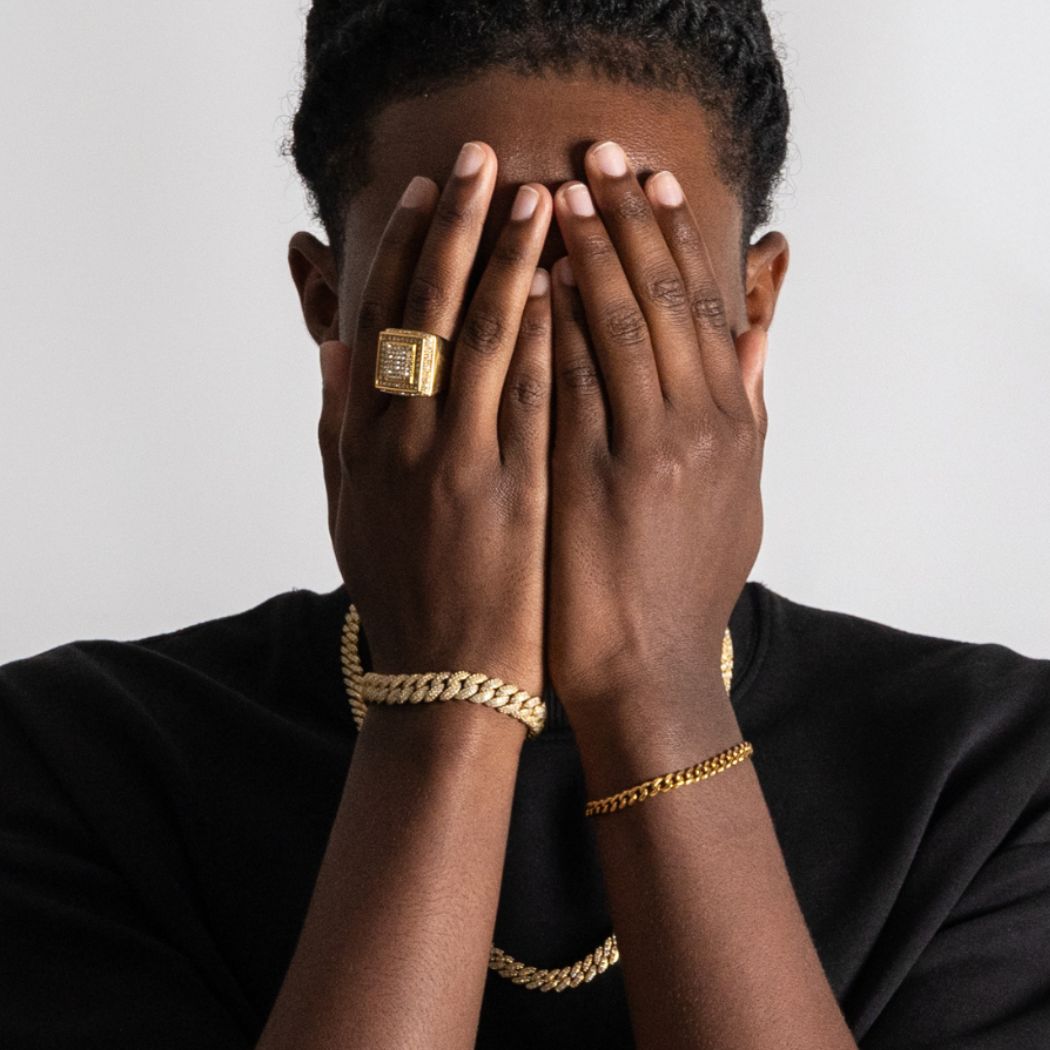
At 1.5 mm and 2.8 mm it does work, as long as you keep to two things. Leave at least 10 cm difference in length, or they cross and tangle. And vary the width, because two chains of the same thickness beside each other look undecided. A king's link chain or Cuban chain beside it gives the contrast you are after.
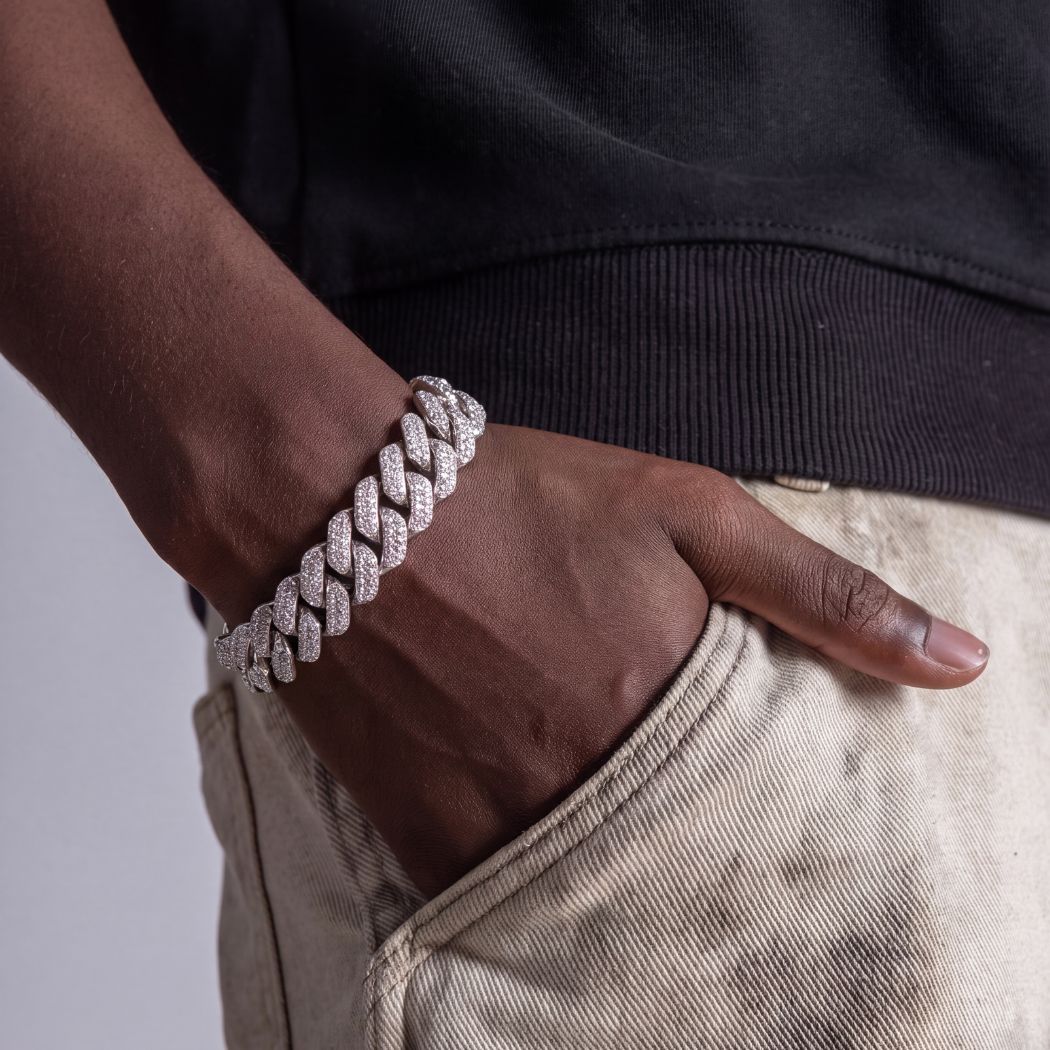
Want to keep it simple: pair the chain with the 3 mm gold rope bracelet in the same link. That looks like a set without having to stack two chains.

7. Four mistakes you spot immediately
- Wide and short at once. 3.8 mm on 50 cm (20in) looks squat. Width asks for length.
- A heavy pendant on 1.5 mm. The line pulls out of shape and all the strain lands on the clasp.
- Using silver polish or an ultrasonic bath. Those are meant for solid metal and actually attack a finish.
- Fragrance after putting it on. Spray first, put the chain on afterwards. Alcohol is the quickest way to damage a gold layer.
Care: mind the grooves
Lukewarm water, a drop of mild soap and a soft cloth are enough. On a rope, more soap stays behind in the grooves of the spiral than on a smooth chain, so rinse well and pat it dry.
No silver polish, no abrasives, no ultrasonic bath. That goes for any plated piece, and it is the most common mistake with jewelry that carries a finish.
Where do you start?
Wearing a pendant on it? Take the 1.5 mm at 55 cm (22in) or 60 cm (24in), so the pendant gets room and the chain does not compete with it.
Wearing it on its own and want it seen? Then the 2.8 mm at 55 cm (22in) is the safest choice, and the 3.8 mm at 60 cm (24in) if you want a statement.
See the full rope collection or browse all necklaces.
Frequently asked questions
Which widths of 18K gold plated rope chain are there?
Three: 1.5 mm, 2.8 mm and 3.8 mm, each in 50 cm (20in), 55 cm (22in) and 60 cm (24in). The 1.5 mm is a pendant chain, the 2.8 mm the middle size and the 3.8 mm the statement.
What does 2.5 microns mean on gold plating?
Micron is the thickness of the gold layer. Standard gold plated often starts around 0.5 micron, so this layer is five times as thick. It says nothing about a number of years, only that there is more gold on it.
What sits under the plating?
Solid 925 sterling silver. If the gold layer wears, silver appears rather than base metal, so no green tarnish forms. A jeweler can also have the chain replated.
Which length do I choose for a wide rope chain?
60 cm (24in). A wide chain high against the neck looks squat, because there is not enough length to carry the weight. At 1.5 mm, 50 cm (20in) does work, if you want to keep it subtle.
Can a rope chain go in the shower?
Take it off before the shower, swimming and sport, and store it dry. Plating is a finish, not solid gold, and chlorine and soap residue attack it fastest.
How do I clean a rope chain?
Lukewarm water, a drop of mild soap and a soft cloth. Rinse extra well, because more soap stays in the grooves of the spiral than on a smooth chain. Do not use silver polish or an ultrasonic bath.